Buying Guide Motorcycle Helmets
Der Motorradfahrer von heute findet eine große Auswahl an verschiedenen Motorradhelmen auf dem Markt. Wird über den Kauf eines Motorradhelms nachgedacht, sind allerdings einige Faktoren zu beachten, bevor man die richtige Kaufentscheidung trifft. Denn schließlich soll der Helm nicht nur zum persönlichen Fahrstil und Mode-Geschmack passen, auch andere Faktoren wie Sicherheit und Passform spielen eine große Rolle.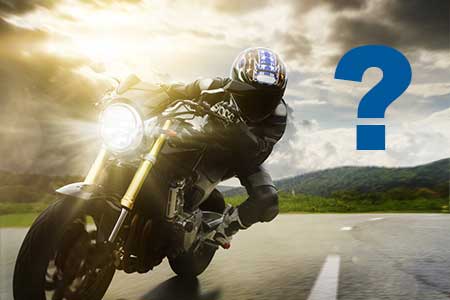
Der Kauf eines Motorradhelms – Worauf muss geachtet werden?
Erster wichtiger Punkt beim Kauf des Helms ist, dass die künftige Kopfbedeckung den Anforderungen an den Fahrstil des Fahrers entspricht. Die richtige Auswahl beginnt somit schon bei der Frage, für welche Art Motorrad ich den Helm benötige. Der Fahrer eines Choppers wird sich vielleicht eher für einen klassischen Jethelm entscheiden, bei dem noch genug Platz für eine Sonnenbrille und ein Halstuch ist. Für Enduro- und Motocrossliebhaber, die sich gerne abseits geteerter Straßen bewegen, gibt es spezielle Crosshelme, mit und ohne aufklappbarem Visier, aber immer mit ausreichend Kinnschutz. Der Sportfahrer möchte natürlich ein möglichst windschnittiges Modell mit geringem Gewicht, um die letzten Sekunden aus dem Rundkurs herauszuholen, und der kilometerfressende Tourenfahrer wird sich für einen Integralhelm oder Klapphelm entscheiden.
Ist dann erstmal die erste Hürde genommen und die Entscheidung über die Art des Helms gefallen, steht man vor einer nicht zu unterschätzenden Masse an Herstellern und Marken. Hier gilt: Sicherheit geht vor Preis. In jedem Fall ist anzuraten, einen Helm eines Markenherstellers zu kaufen. Von billigen China-Importen und No-Names soll hier eindrücklich abgeraten werden. Nur namhafte Markenhersteller von Motorradhelmen verfügen über das Know-How und die nötigen Messeinrichtungen, so dass im Fall eines Sturzes oder Aufpralles der Kopf des Motorradfahrers optimal geschützt ist.
Vorausgesetzt natürlich, dass der Helm auch optimal zur Kopfform des Fahrers passt. Sitzt der Helm zu locker auf dem Kopf, kann er bei einem Aufprall seitlich oder nach oben verrutschen, was durch die Hebelwirkung zu schlimmen Verletzungen der Halswirbelsäule führen kann. Bei einer zu engen Wahl kann es für den Notfallhelfer schwierig werden, den Helm abzuziehen – ganz davon zu schweigen, dass ein dauerhafter Druck auf den Kopf des Fahrers nicht unbedingt zur Konzentrationsfähigkeit im Straßenverkehr beiträgt.
Und welche Farbe und welches Design? Das entscheidet wohl der persönliche Geschmack, das Design des Motorrads als auch die Farbe der eventuell schon vorhandenen Motorradbekleidung. Zu beachten: mittlerweile bieten fast alle Hersteller Dekore in modernen Farben an – gut für die Sicherheit und das Gesehen werden!
Welcher Helm ist nun der richtige für mich?
Eines vorneweg: Für alle motorisierten Zweiräder, die eine maximale Geschwindigkeit von mehr als 20 Stundenkilometer aufweisen, gilt die Helmpflicht. In Deutschland ist das Tragen eines Motorradhelms seit dem Jahr 1976 gesetzlich geregelt. Für Mopedfahrer wurde diese Pflicht zwei Jahre später eingeführt. Im Jahr 1985 wurde dann auch die Helmpflicht für Mofafahrer eingeführt. Der Helm muss in der Lage sein, den Kopf des Fahrers oder des Beifahrers bei einem Unfall vor lebensbedrohlichen Verletzungen zu schützen.
Das Angebot des mit Markenhelmen sehr gut sortierten Online-Shops von Wild-Wear umfasst ein umfangreiches Produktsortiment, damit Sie mühelos den richtigen Helm finden können.
Nochmal das Thema Sicherheit
Wer oft schnell unterwegs sein möchte, sollte dabei auf die aerodynamischen Stärken eines Helms achten. Je weniger Druck durch den Fahrtwind auf den Kopf entsteht, desto mehr Bewegungsfreiheit ist vorhanden. Daneben schaffen niedrige Windgeräusche im Inneren nicht nur eine Wohlfühlatmosphäre, sondern erhöhen auch die Sicherheit des Motorradhelms. Wer viel von außen wahrnimmt, kann auch schneller reagieren. Ein weiterer Sicherheitsaspekt ist ein möglichst großes Sichtfeld des Helms sowie eventuell die Brillentauglichkeit - auch für Sonnenbrillen, sollte der Helm nicht schon über eine integrierte Sonnenblende verfügen. Die Schlagdämpfungswerte des Helms müssen in einem optimalen Bereich liegen. Eine hervorragende Passgenauigkeit, reflektierende Elemente am Helm und die eben angesprochene integrierte Sonnenblende erhöhen darüber hinaus die Sicherheit und damit den sorglosen Kurvenspaß.
Thema Komfort und Tourentauglichkeit
Der erste Komfortfaktor, den man beim Kauf eines bequemen Motorradhelms beachten sollte, ist das Innenfutter. Es muss sich angenehm anfühlen und darf nicht als störend empfunden werden. Steht für den nächsten Motorradurlaub ein schweißtreibendes Land wie Italien oder Südfrankreich auf dem Plan, sollte auf ein gutes Belüftungssystem und eine optimale Verteilung und Regelung der Lüftungsklappen geachtet werden, damit der Luftstrom individuell eingestellt werden kann.
Gerade bei längeren Touren sollte das Gewicht des Helms als nicht belastend empfunden werden: umso schwerer der Helm, desto mehr wird gerade bei höheren Geschwindigkeiten Druck auf die Nackenmuskulatur ausgeübt. Was nach einiger Zeit zu Ermüdungserscheinungen führen kann.
Und noch ein Wort zu Helmkommunikationsanlagen: egal ob alleine oder doch lieber in Gesellschaft unterwegs, ein Kommunikationssystem bietet viele Möglichkeiten. Von der Unterhaltung in der Gruppe bis hin zur Verbindung mit dem Navigationsystem oder mit dem Smartphone ist alles möglich. Prima, um sich über das Geschehene und Erlebte in Echtzeit auszutauschen.
Fazit
Nehmen Sie sich vor dem Kauf Ihres Motorradhelms genügend Zeit und stöbern Sie im Online-Katalog von Wild-Wear. Sie finden dort zu jedem Helm die entscheidenden Details hinsichtlich von Eigenschaften und Ausstattung des ausgesuchten Motorradhelms.
Foto: Fotolia
Jetzt Motorradhelme in unserem Shop stöbern: